
-
For as long as I can remember, I have been drawn to listening to people’s stories and trying to understand what sits beneath the surface. Becoming a therapist has always felt like a natural path for me: a way of supporting people to feel more connected to themselves and to live more fully, whatever that may mean for them.
My father was in the military, so moving and adapting were part of my early life. I was born in Scotland, raised in Japan, and shaped by a Mexican-American and Scottish family, as well as a Japanese-American community.
Living across cultures has given me a personal understanding of what it can feel like to pause at the question, “Where are you from?” It has shaped my interest in identity, belonging, and the experience of holding different parts of yourself at once.
This informs how I work: with cultural sensitivity, curiosity, and respect for the stories people carry.
Outside the therapy space, I enjoy nature photography, cats, running, and dance. I am drawn to the connection between mental and physical health, and to the ways nature, movement, and creativity can support wellbeing.
-
I am a qualified counsellor and psychotherapist, a member of the British Association for Counsellors and Psychotherapists (BACP) and I work to their ethical framework.
I have regular supervision and keep myself up to date with regular training and development.
I have the relevant insurance to practise and an enhanced DBS clearance.
Alongside my clinical practice, I am currently expanding my expertise by undertaking a Doctorate in Counselling Psychology, ensuring my work remains deeply informed by contemporary psychological research.
-
My foundation is person-centred. This means I aim to meet you with warmth, acceptance, and respect for your experience. I believe you are the expert in your own life, and my role is to support you to explore, understand, and grow in a way that feels right for you.
I also work pluralistically, which means I recognise that different things can be helpful at different times. Therapy does not have to look the same every week. Some sessions may be slower and more reflective; others may be more practical, creative, or focused.
I will not leave you to untangle everything alone. I may offer reflections, ask questions, notice patterns, or gently check whether the work feels helpful.
Where useful, we may also draw on different tools or ideas. This could include exploring past experiences and relationship patterns, making sense of thoughts and feelings, practising tools for anxiety or overwhelm, building self-compassion, reflecting on what matters to you, or using creative exercises when words might feel difficult.
Approaches I may draw on include: person-centred therapy, psychodynamic thinking, Cognitive behavioural therapy, acceptance and commitment therapy, compassion-focused therapy, psychoeducation, grounding techniques, and creative work.
-
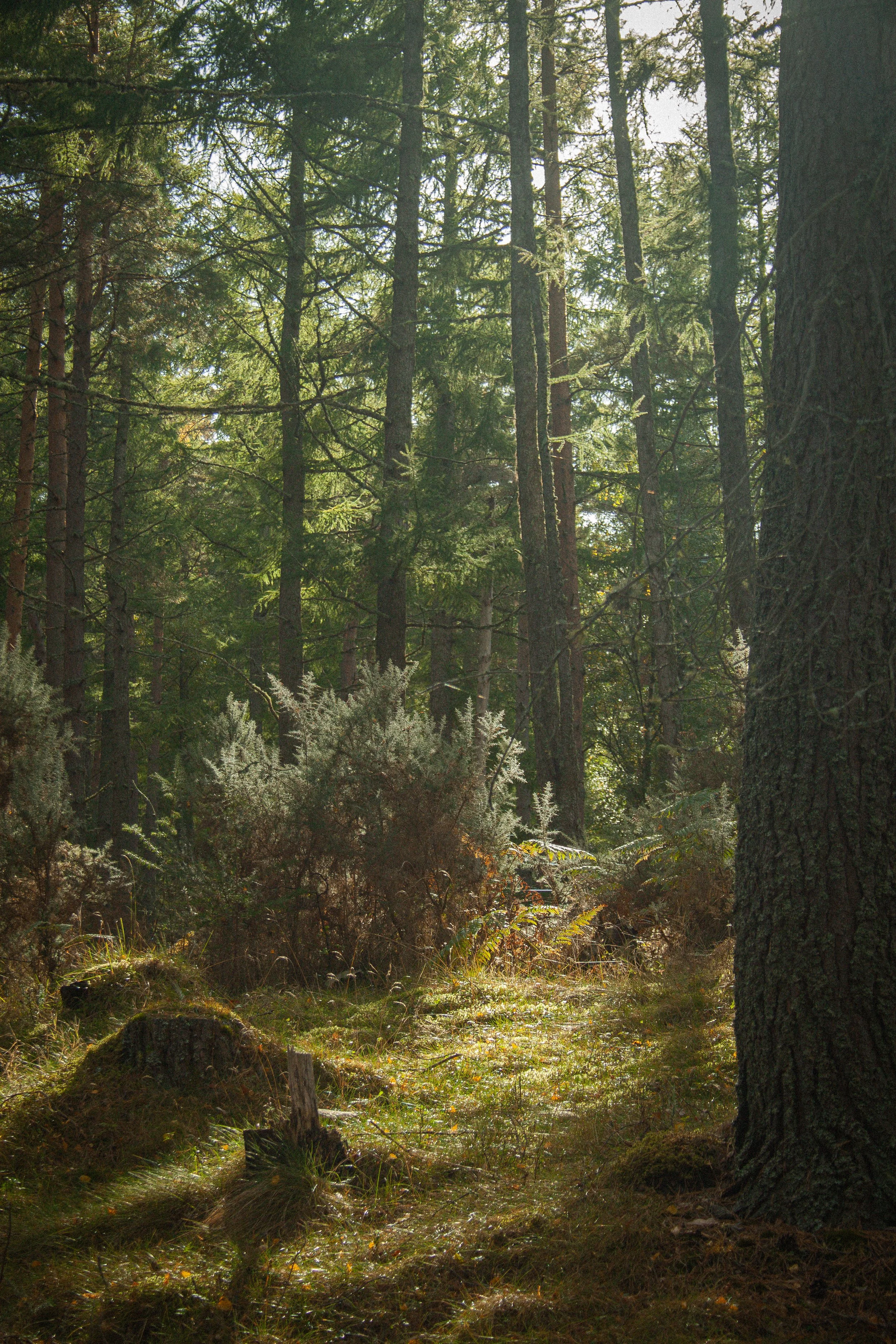
My counselling and psychotherapy space is named after the Japanese word komorebi: the fleeting sunlight that filters through the leaves of a tree. Having spent much of my life in Japan, I have a deep respect for its culture, and this word holds particular meaning for me.
Komorebi captures something about what it means to be human: the layering of light and shadow, movement and stillness, clarity and uncertainty. Life can sometimes feel like walking through dappled light, where things are not always clear or fixed.
For me, therapy offers a steady, companioned place to pause, reflect, and find your way forward through both the light and the dark. It is a space to make room for complexity, and to begin recognising that all parts of your experience deserve care.
-
University of Roehampton (in progress until 2029)
PsychD Counselling PsychologyDiploma in Pluralistic Counselling & Psychotherapy
Grounded Learning Ltd.PGCert Low Intensity Psychological Therapies
Newcastle UniversityMSc Foundations of Clinical Psychology
Newcastle UniversityCertificate in Counselling Skills (COSCA Accredited)
Centre of TherapiesBS Psychology
University of Maryland University College